How to Keep Your Toilet Safe from Uninvited Creepy Crawlers
How to Keep Your Toilet Safe from Uninvited Creepy Crawlers

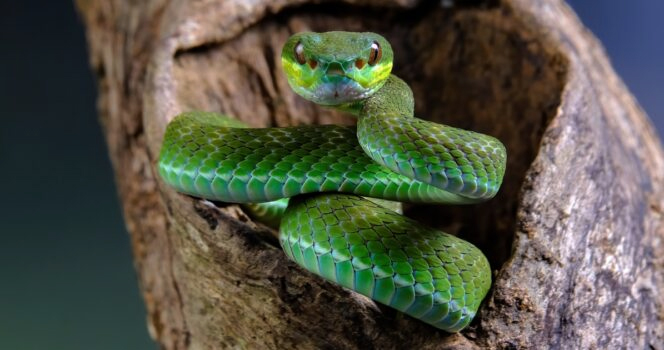
In the summer of 2023, Arizona resident Michelle Lespron returned to her home to a terrifying discovery—an uninvited guest had taken up residence in her toilet. When she lifted the lid, she found a nearly four-foot-long snake coiled inside the bowl, hissing menacingly. While she was fortunate the lid was down, this shocking encounter sent waves of dread through toilet users everywhere.
This is just one of many instances where creepy creatures have made their way through plumbing and into the bathroom. From snakes to rats, these uninvited guests often sneak in through pipes, finding their way into toilets. If you want to avoid the same fate, here are some ways to prevent these unsettling situations and deal with any critters that make their way in.
Snakes in the Toilet: Why It Happens and How to Avoid It
Snakes are often drawn to cool, damp, dark spaces, making your toilet pipes a prime destination. Typically, these reptiles are on the hunt for food in the sewer system, and after filling their bellies, they take the quickest escape route they can find: the toilet pipe.
In Michelle’s case, it was a non-venomous coachwhip snake that had slithered through the plumbing. While larger snakes, like anacondas, are rare, smaller snakes can easily fit through pipes, and their presence in homes with access to sewer systems is more common than you might think. If you live in a colder climate, there’s less chance of this happening unless you reside in an apartment building where pet snakes are kept.
To keep snakes at bay, ensure your home’s plumbing is sealed properly. Installing tight-fitting drain covers or mesh screens can also help block any access to your pipes.
Rats and Other Rodents: The Unexpected Visitors
While snakes are often the headline-stealers, rats and other rodents can also find their way into your bathroom via the plumbing. Rats are natural swimmers and can make their way up through drainpipes in search of food, especially if your toilet and garbage disposal share the same plumbing system. Though this is relatively uncommon, rats are incredibly flexible creatures that can squeeze through small openings.
Even more concerning, rats can enter your home through unnoticed gaps or holes in walls, doors, or windows. To prevent rat visits, ensure all holes are sealed, and look out for any possible entry points.
How to Deal with Unwanted Guests
If you find a snake, rat, or any other creature in your toilet, it’s best to call a professional pest control service. Attempting to handle the situation yourself can be dangerous, especially with venomous snakes. For rats, it’s important to take preventive steps by securing your home and considering the use of traps or repellents. Additionally, make sure to keep your bathroom clean and check the seals around your toilet for any gaps.
With a little extra attention to your plumbing and a proactive approach to potential entry points, you can keep your throne safe from these unwanted, scaly, or furry invaders.