Muslera ve Taraftarların “Rekor”la Gelen Barışı
Muslera ve Taraftarların "Rekor"la Gelen Barışı

Muslera Rekor Kırdı, Taraftarlarla Barış Sağlandı
Efsane Kaleci Tarih Yazdı
Galatasaray, Trendyol Süper Lig’in 21. haftasında Konyaspor’u ağırladı. RAMS Park’ta oynanan mücadele, sarı-kırmızılı taraftarların yoğun ilgisiyle coşkulu bir atmosferde gerçekleşti. Takım kaptanı Fernando Muslera, maç öncesinde ve sırasında yaşanan özel anlarla dikkatleri üzerine çekti.
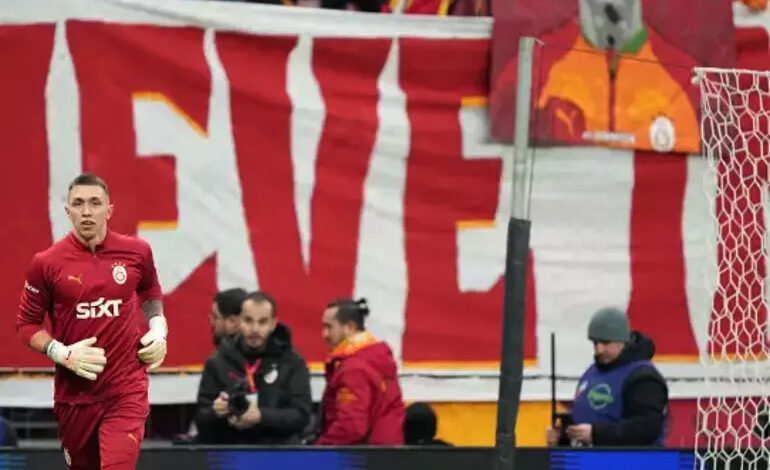
Uruguaylı file bekçisi, Konyaspor karşılaşmasıyla birlikte Galatasaray formasıyla Süper Lig’de 429. maçına çıkarak Bülent Korkmaz’ı geride bıraktı. Böylece, kulüp tarihinin Süper Lig’de en çok forma giyen oyuncusu unvanını elde etti.
Taraftarlardan Özel Sevgi Gösterisi
Maç öncesinde ısınma sırasında, arkadaşlarının oluşturduğu koridordan geçen Muslera, alkışlar eşliğinde saha ortasına yürüdü. Tecrübeli kaleci, taraftarları selamlayarak üçlü çektirdi. Taraftarların kendisi için hazırladığı pankartlar ve tezahüratlar, sahada sıcak bir atmosfer yarattı.
Muslera’ya, üzerinde “Efsane” yazılı bir forma hediye edildi. Bu özel hediyeyi öpen başarılı kaleci, kale arkası tribünlerinde bulunan taraftarlarla fotoğraf çektirerek anı ölümsüzleştirdi.
“İçimizden Biri” Tezahüratı
Galatasaray taraftarları, “İçimizden biri, seviyoruz seni, takma ona buna, Fernando Muslera” şeklinde tezahüratlar yaparak kalecilerine olan sevgilerini dile getirdi. Muslera, bu sıcak karşılamaya alkışlarla karşılık verdi.
Kulüpten Anlamlı Plaket
Galatasaray Spor Kulübü, sosyal medya hesaplarından yaptığı paylaşımla kaptan Muslera’yı tebrik etti. Kulübün 2. Başkanı Metin Öztürk, başarılı kaleciye plaket ve özel olarak hazırlanan bir forma takdim etti.
17 Kupa ile Tarihe Geçti
2011 yılında Lazio’dan transfer edilen Fernando Muslera, Galatasaray kariyerinde adeta kupa avcılığı yaptı. Süper Lig’de 7, TFF Süper Kupa’da 6 ve Türkiye Kupası’nda 4 kez şampiyonluk yaşayan Muslera, toplamda 17 kupa ile kulüp tarihine geçti. Ayrıca, Galatasaray’da en fazla kupa kazanan yabancı oyuncu unvanını da taşıyor.
Fernando Muslera, hem sahadaki performansıyla hem de Galatasaray camiasındaki duruşuyla taraftarların gönlünde taht kurmaya devam ediyor.