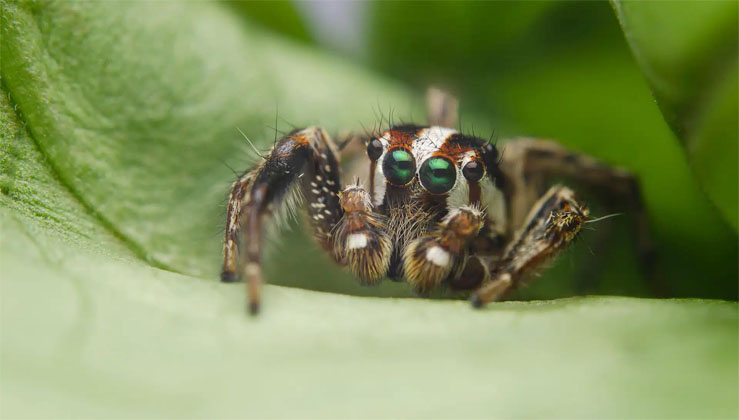
House spiders often inspire fear, but they’re more helpful than harmful. Discover eight surprising facts about these misunderstood arachnids and why they deserve a little more respect.
1. We’ve Been Sharing Our Homes With Spiders for Millennia
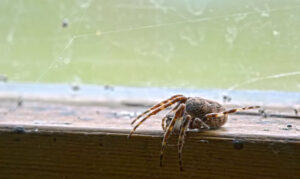
Before houses existed, spiders already lived on Earth. True spiders evolved around 300 million years ago—well before the first dinosaurs roamed. Over time, certain species adapted to life alongside humans, evolving to thrive in indoor environments with limited food, light, and water. Some house spiders have lived indoors since the Roman Empire, making our homes their ancestral habitat. So while they may seem like invaders, they’re actually long-term cohabitants.
2. Releasing House Spiders Outdoors Can Be Fatal for Them
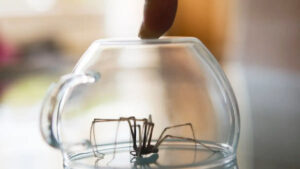
Trying to humanely remove a house spider by relocating it outside seems kind—but it may be a death sentence. Most true house spiders are specialized for indoor living and struggle to survive in outdoor climates. According to arachnologist Rod Crawford, only about 5% of the spiders we see inside have ever been outdoors. Instead of returning them “home,” you’re sending them to a harsh, unfamiliar environment.
3. Not Every Spider in Your Home Belongs There
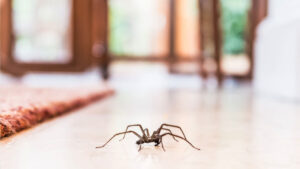
Just because a spider is in your house doesn’t mean it’s a house spider. Some outdoor spiders wander inside by accident, especially hunting types like wolf spiders. These might fare better if released outside. However, identifying the difference between true house spiders and transient visitors can be tricky. Studying eye patterns can help, since markings can be misleading.
4. House Spiders Come in Many Shapes and Species
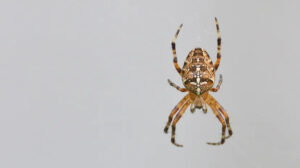
There’s no single “house spider” species. Depending on your location, you might encounter several types. The American house spider (Parasteatoda tepidariorum), the domestic house spider (Tegenaria domestica), and the cupboard spider (Steatoda grossa) are all common indoors. Despite looking different, these spiders share traits: they build webs, avoid humans, and help control pest populations. Some may be mistaken for dangerous spiders, like black widows, but are actually harmless.
5. They’re Not Crawling Up Through Your Plumbing
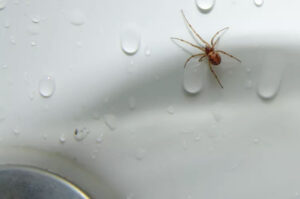
It’s a common myth: finding a spider in the sink must mean it crawled up the drain. In reality, most house spiders fall into tubs and basins while searching for water. Once there, the smooth surfaces trap them. Modern plumbing traps prevent spiders from entering through pipes, so rest assured—they’re not coming up from your drains.
6. They Rarely Bite and Pose Minimal Threat to Humans
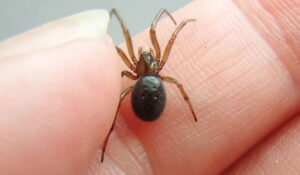
Despite their reputation, house spiders are not aggressive and rarely bite. When they do, it’s almost always in self-defense. Their venom is typically mild, causing little more than irritation. These spiders have no reason to bite larger animals—they’re hunters of insects, not bloodsuckers. In fact, most spider-human interactions end with the spider being the one at risk.
7. House Spiders Are Natural Pest Controllers
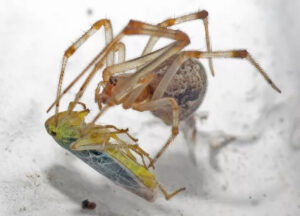
Think of house spiders as a built-in pest control team. They prey on flies, mosquitoes, cockroaches, and even moths that damage clothing. By keeping insect populations in check, spiders reduce the need for chemical pesticides and help limit the spread of insect-borne diseases. If you check around their webs, you may even find the remnants of their last meal—a testament to their usefulness.
8. You Can Manage Spiders Without Harming Them
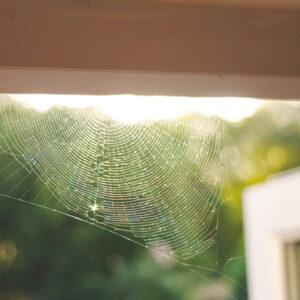
If you’re still uncomfortable with spiders, you can keep them at bay humanely. Regularly remove webs from windows, ceilings, and basements to discourage nesting. Sealing cracks can help reduce the number of wandering spiders (and the insects they eat). But remember—true house spiders likely won’t leave permanently. Rather than declare war, consider peaceful coexistence. After all, they’re more ally than enemy.