Scientists have discovered a massive under-ice nursery in Antarctica’s Weddell Sea, home to an estimated 60 million icefish nests. The unprecedented find highlights the region’s ecological importance and strengthens calls for a long-delayed marine protected area.
World’s Largest Icefish Nursery Discovered Beneath Antarctic Ice
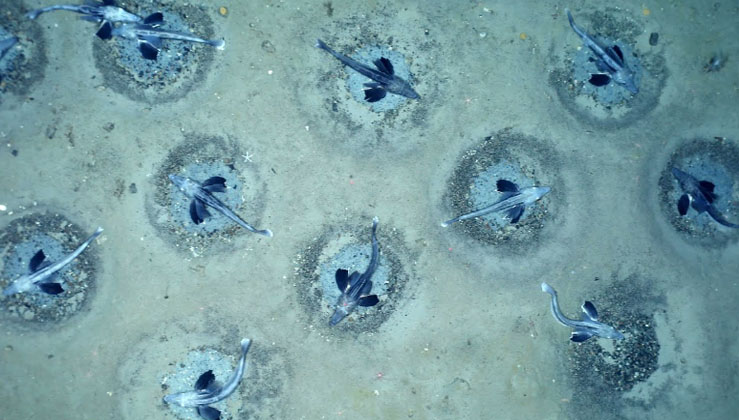
Beneath the frozen expanse of Antarctica’s southern Weddell Sea, scientists have uncovered something unprecedented — a sprawling fish-breeding ground unlike anything seen before. More than 500 meters below the ice, researchers documented an estimated 60 million active nests of Jonah’s icefish (Neopagetopsis ionah) spread across at least 240 square kilometers, an area roughly the size of the island of Malta. This discovery, published in Current Biology, dwarfs any other known fish colony. Until now, scientists typically found only a few icefish nests at a time — occasionally dozens, rarely hundreds. The scale of this site redefines what we know about marine breeding behavior.
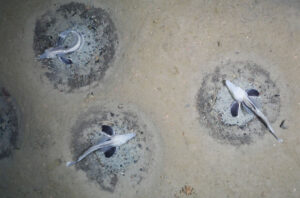
The find was made possible by a towed camera system deployed from the German research vessel Polarstern in early 2021. Deep-sea biologist Autun Purser of the Alfred Wegener Institute (AWI) in Bremerhaven, Germany, and his colleagues were astonished when footage revealed a continuous mosaic of nests stretching into the distance. “The idea that such a huge breeding area of icefish in the Weddell Sea was previously undiscovered is totally fascinating,” Purser said in a statement.Jonah’s icefish are extraordinary creatures. They are the only known vertebrates that lack hemoglobin-filled red blood cells, giving their blood a nearly transparent, white appearance.
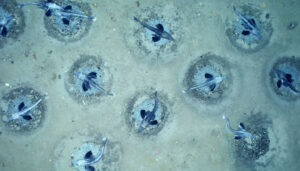
They also produce a protein-based antifreeze, enabling them to survive in subzero waters beneath the Antarctic ice shelf. Each nest typically holds 1,000–2,000 eggs, with adult fish guarding their future offspring. The researchers estimate that the total biomass of the colony amounts to around 60,000 tons — a rich resource that also attracts predators such as Weddell seals. Oceanographic data indicate that the site coincides with an inflow of slightly warmer deep water onto the shelf, possibly creating ideal breeding conditions.
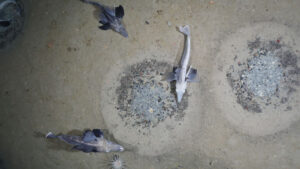
Despite the significance of this habitat, the area is not yet protected. A proposal to establish a Marine Protected Area (MPA) in the Weddell Sea has been under discussion since 2016 by the European Union and the international Commission for the Conservation of Antarctic Marine Living Resources (CCAMLR). AWI Director Antje Boetius emphasized the urgency: “Considering how little known the Antarctic Weddell Sea is, this underlines all the more the need for international efforts to establish a Marine Protected Area. Now that the location of this extraordinary breeding colony is known, Germany and other CCAMLR members should ensure no fishing and only non-invasive research takes place there in the future.”
With its sheer scale and ecological importance, this newly revealed icefish nursery underscores how much of the ocean remains unexplored — and how crucial it is to protect it before it’s too late.