Discover the story of Diamond Head (Lēʻahi), Honolulu’s iconic volcanic landmark, from its explosive birth to its cultural significance and modern-day appeal.
A Sentinel Above Honolulu
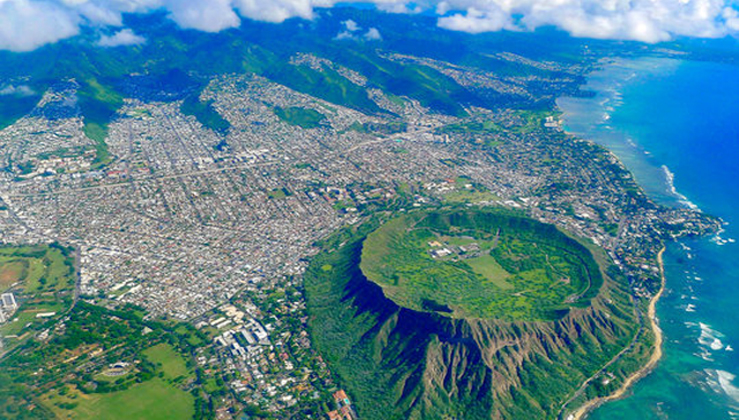
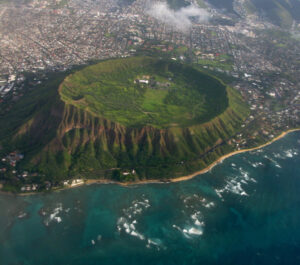
Looming gracefully over the turquoise waters of Waikīkī, Diamond Head—known to Hawaiians as Lēʻahi—is one of the world’s most recognizable volcanic landmarks. Rising 760 feet above the Pacific Ocean, its distinct crater rim stands as a powerful emblem of Oʻahu’s rugged natural beauty. This majestic cone is more than a striking backdrop for Honolulu; it’s a monument to the dramatic forces that forged the Hawaiian Islands.
Forged in Fire
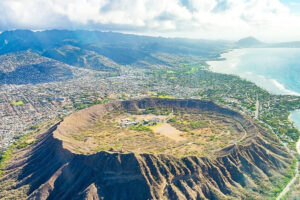
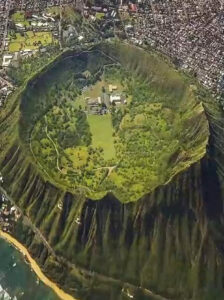
Roughly 400,000 to 500,000 years ago, the Koʻolau Volcano erupted in a series of explosive events, sending clouds of ash and rock skyward. From this fiery upheaval emerged Diamond Head, not a conventional mountain but a volcanic tuff cone—its reddish, porous slopes created from compacted volcanic debris. Over the millennia, relentless wind and rain carved its steep ridges and sculpted the crater’s interior, creating the dramatic silhouette we know today.
A Sacred Place with a Storied Name
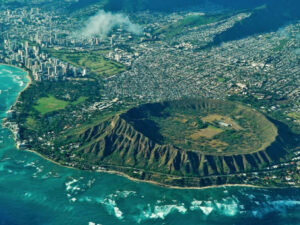
For Native Hawaiians, Lēʻahi was far more than a geological curiosity. Its Hawaiian name, which means “brow of the tuna” or “forehead,” reflects its profile and its role as a watchful guardian over the land. Historically, it served as a sacred site, a burial ground for aliʻi (chiefs) and a space tied to Pele, the goddess of fire and volcanoes. Its slopes and summit were once reached by perilous footpaths, marking a pilgrimage of reverence and respect.
From Sacred Ground to Global Icon
Today, Diamond Head’s dramatic profile adorns countless postcards, paintings, and souvenirs. Its cinematic presence has graced films and television shows, cementing its place as a global symbol of Hawaiian paradise. The once-treacherous climb is now a popular hiking trail, inviting visitors to trace the same ridges and paths once walked by Hawaiian ancestors and military sentinels.
Nature and History Intertwined
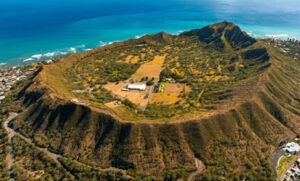
Diamond Head is not only a window into Hawaii’s volcanic past but also a thriving habitat. Its slopes support native dry-forest plants and serve as a seasonal refuge for migratory birds. Hidden within the crater are bunkers, tunnels, and observation stations built as part of Oʻahu’s coastal defenses during World War II, adding layers of human history to its natural story.
A Living Symbol of Hawaii
More than just a landmark, Diamond Head is a living testament to Hawaii’s enduring spirit—a tapestry of volcanic creation, cultural reverence, and contemporary wonder. From its summit, where the vast Pacific stretches endlessly, to its quiet corners steeped in legend, Diamond Head invites every visitor to experience not just a view, but a story etched into the island itself.