
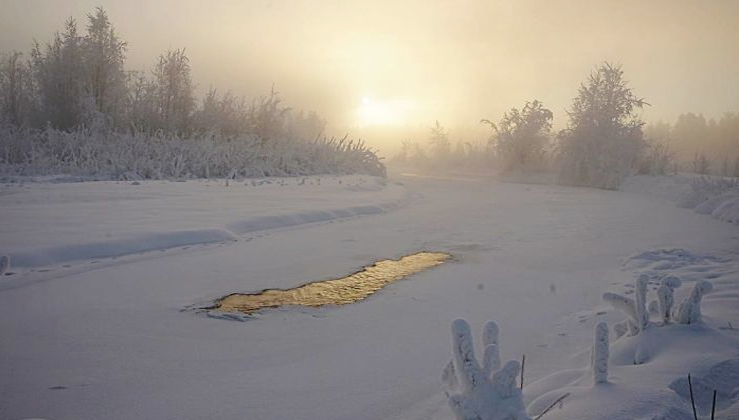
Tucked deep in the icy wilderness of Siberia lies Oymyakon, a place so frigid it challenges the very limits of human endurance. Recently, this remote village, already known as the coldest permanently inhabited settlement on Earth, experienced a brutal temperature drop to -62°C (-80°F)—a cold so intense, it shattered an electronic thermometer.
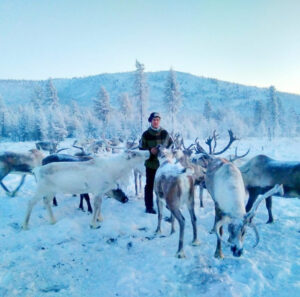
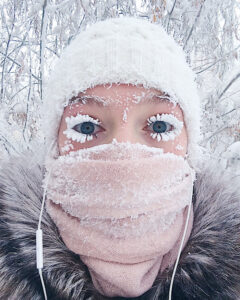
Residents of Oymyakon are no strangers to freezing weather. Schoolchildren are expected to attend classes until temperatures fall below -52°C (-62°F), a threshold most would consider unimaginable. Yet for the 500 hardy souls who call this place home, it’s part of daily life. Despite the inhospitable conditions, life goes on in Oymyakon, even as breath crystallizes mid-air and eyelashes turn into tiny icicles.
Photographer Amos Chapple, who previously visited the village, recalled stepping into -47°C wearing light trousers. “It felt like the cold was physically gripping my legs,” he said. Even his saliva froze into sharp needles that stung his lips. This year, however, nature has pushed the cold even further. The official weather station at this “Pole of Cold” recorded -59°C (-74°F), but the village’s newer electronic thermometer displayed a staggering -62°C (-80°F) before it malfunctioned under the pressure. Some villagers even claim temperatures reached -68°C (-90°F), pushing the limits of recordable human habitation.
Historically, Oymyakon was merely a stop for nomadic reindeer herders who came to water their flocks at a local hot spring. In the 1920s and 30s, the Soviet Union sought to settle these nomads permanently, and thus, the village was born. In 1933, it set the record for the lowest temperature ever documented in the Northern Hemisphere: a bone-chilling -67.7°C (-89.9°F), a mark still unbeaten today.
Despite the bitter cold, Oymyakon remains a symbol of human resilience—a testament to life thriving in one of the harshest environments on Earth.
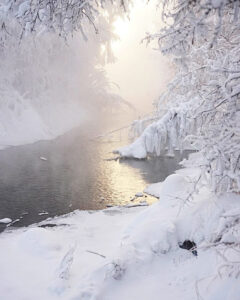
Oymyakon: The Frozen Frontier Where Life Defies the Cold
In most parts of the world, temperatures below freezing prompt school closures and emergency alerts. In Oymyakon, however, life carries on until the mercury hits a mind-numbing -52°C (-62°F). The recent deep freeze, plunging as low as -62°C, has again brought global attention to this Siberian outpost.
The extreme temperatures don’t just freeze pipes—they freeze eyelashes, car batteries, and even thermometers.The atmosphere becomes a surreal landscape of frost-laced beards, thick ice fog, and frozen clothing. Yet, the village continues to function, revealing a profound human ability to adapt and persist.Oymyakon’s astonishing climate might seem unbearable, but for its residents, it’s simply winter.